Source non piercing earring converters for Earring Making, Gift, and Fashion
Compare 30 listings of non piercing earring converters from verified Chinese manufacturers. Buyers can evaluate stainless steel and titanium options, various plating finishes, and customization availability for earring making and gift occasions.
Key considerations
Products List
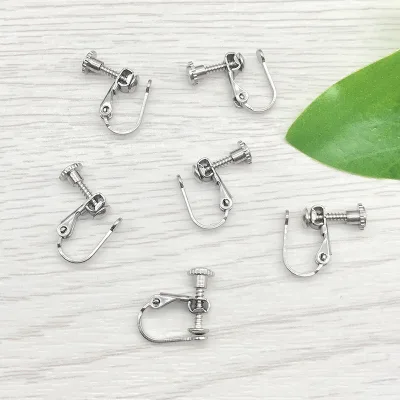
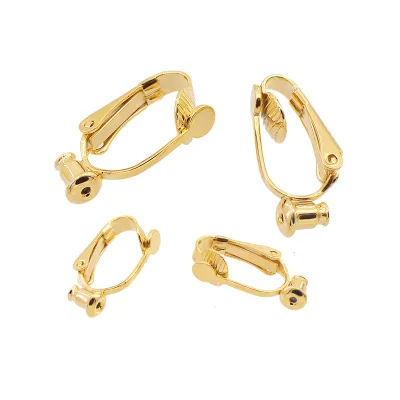
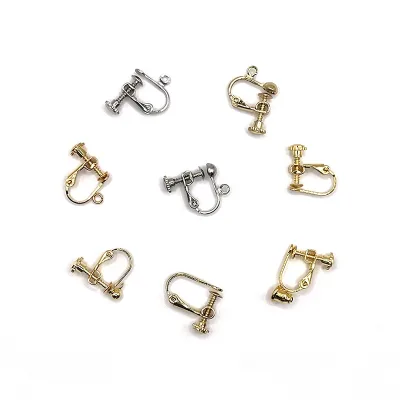
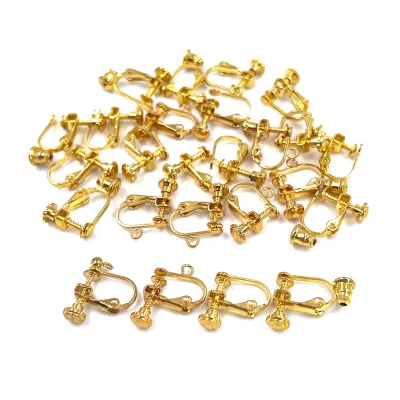




Comprehensive Sourcing Guide
Strategic Sourcing Guide for Non-Piercing Earring Converters
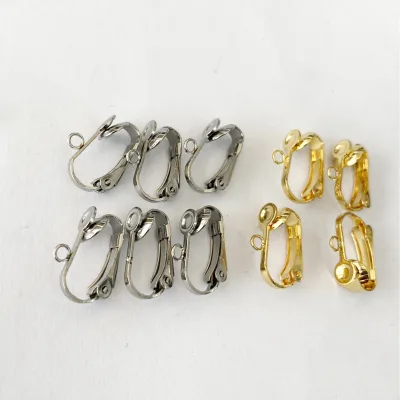
The global market for jewelry findings and conversion hardware continues to expand, driven by consumer demand for versatile accessories that accommodate diverse ear types without permanent modification. For procurement professionals sourcing non-piercing earring converters, the primary objective is to identify components that ensure structural integrity, aesthetic appeal, and user safety. The available product landscape includes stainless steel and titanium variants, often featuring 18K gold plating or standard steel finishes. These components are frequently categorized under jewelry findings, specifically designed as clasps and hooks to facilitate the conversion of stud earrings into clip-on styles. Understanding the technical nuances of these items is essential for building a resilient supply chain that meets both B2B volume requirements and end-user expectations.
Technical Specifications and Material Composition
When evaluating non-piercing earring converters, the material composition serves as the foundational determinant of product quality and longevity. The observed market data indicates a prevalence of stainless steel and titanium as the primary base materials. Stainless steel offers a robust balance of durability and cost-effectiveness, making it suitable for high-volume production runs. Conversely, titanium is often selected for its hypoallergenic properties, catering to buyers targeting sensitive skin demographics. The surface treatment is equally critical; many listings specify 18K gold plating, which provides a luxurious aesthetic while protecting the underlying metal from oxidation. Other finish options include standard steel, gold, silver, and rose gold colors, allowing for customization based on the target jewelry collection.
Dimensional precision is another vital technical specification. Converters must be engineered to fit a wide range of earring post diameters, typically ranging from 1.2mm to 1.3mm. The observed specifications highlight rod diameters of 1.2mm, which is a standard size for many earring posts. However, buyers must verify the exact tolerance of the clip mechanism to ensure a secure fit that does not slip or damage the earring post. The shape of the component is predominantly round, designed to mimic the aesthetic of traditional stud earrings while providing the necessary mechanical grip. Some variations may feature specific dimensions, such as 13x4mm or 20x10mm, which dictate the visual weight and balance of the final accessory. The processing method, often described as polishing or high polishing, ensures a smooth surface that prevents skin irritation and enhances the visual appeal of the gold or silver plating.
Compliance, Certification, and Safety Standards
In the jewelry sector, compliance with safety standards is non-negotiable, particularly for products that come into direct contact with the skin. While specific certification documents are not universally listed in all product descriptions, buyers must verify that suppliers adhere to international regulations regarding heavy metals and allergens. For products made of stainless steel or titanium, compliance with standards such as ISO 10993 for biological evaluation of medical devices is a strong indicator of quality, even if the product is classified as jewelry. The presence of 18K gold plating requires verification that the plating thickness meets industry standards to prevent rapid wear and exposure of the base metal, which could lead to allergic reactions.
Buyers should also investigate the supplier's adherence to environmental and ethical standards. The observed data mentions "Eco-Friendly" as a feature for certain nose studs and converters, suggesting that some manufacturers are adopting sustainable practices. This may involve the use of recycled metals or eco-conscious packaging, such as OPP bags which are noted in the supply chain data. Additionally, the "Anodizing" process mentioned in some listings is a method that can enhance durability and color stability, but it must be performed using compliant chemicals to ensure the final product is free from harmful residues. When sourcing from regions like Guangdong, China, buyers should request documentation confirming that the production facilities meet local and international environmental regulations.
Cost Drivers and Pricing Dynamics
The pricing of non-piercing earring converters is influenced by a complex interplay of material costs, finishing processes, and order volume. The observed price range in the market spans from $0.09 to $63 per unit, a significant variance that reflects differences in material quality, plating thickness, and brand positioning. Stainless steel components generally occupy the lower end of this spectrum, offering a cost-effective solution for mass-market products. In contrast, titanium bases with 18K gold plating command higher prices due to the intrinsic value of the materials and the complexity of the plating process.
Order volume plays a pivotal role in determining the final unit cost. The observed Minimum Order Quantity (MOQ) ranges from 1 to 2000 units, indicating that suppliers are flexible but often incentivize larger orders through tiered pricing. Buyers sourcing for large-scale retail operations should aim for the higher end of the MOQ range to secure the most competitive rates. Packaging also contributes to cost; while standard OPP bags are common, custom packaging or specialized protective measures can increase the per-unit price. Furthermore, the complexity of the design, such as the inclusion of specific shapes like "Asscher Cut" diamonds or custom logos, adds to the manufacturing cost. Buyers must balance these cost drivers against their target retail price to ensure a viable profit margin.
Typical Applications and Market Segmentation
Non-piercing earring converters serve a diverse array of applications, catering to various market segments and consumer needs. The primary use case is for individuals who desire the look of pierced earrings but wish to avoid the pain, healing time, or permanent commitment of body modification. This makes the product highly suitable for the "Gift" occasion, as noted in the product attributes, appealing to customers looking for versatile presents. The "Classic" and "Fashion" styles observed in the market suggest that these converters are designed to complement both timeless jewelry collections and trendy, seasonal accessories.
The target demographic is broad, with products labeled as "Unisex" and "Suitable for Female," indicating a wide appeal across gender lines. The "Adult" age group specification confirms that these are not intended for children, likely due to the small parts and the need for manual dexterity to apply the clips. In the B2B context, these converters are essential for jewelry designers and retailers who wish to expand their product lines without requiring separate inventory for pierced and non-pierced versions. By sourcing high-quality converters, brands can offer a single earring design in multiple wearing styles, thereby increasing the utility and perceived value of their inventory. The "Creative" feature noted in some listings suggests that converters can also be used as a design element in their own right, adding a unique twist to standard earring sets.
Supplier Evaluation and Quality Assurance
Selecting the right supplier requires a rigorous evaluation process that goes beyond simple price comparison. Buyers should prioritize suppliers who demonstrate transparency in their manufacturing processes and provide clear specifications for their products. The observation of specific model numbers, such as JE100431S0 and RG-B306, indicates that established manufacturers maintain detailed product catalogs and consistent quality control protocols. When evaluating potential partners, buyers should request samples to verify the physical attributes, including the smoothness of the polishing, the adhesion of the gold plating, and the tension of the clip mechanism.
Quality control should be a continuous process rather than a one-time check. Buyers must establish clear acceptance criteria for defects such as plating peeling, discoloration, or mechanical failure of the clasp. The "High Polished" and "Hand Polished" descriptions suggest that some suppliers may rely on manual labor, which can introduce variability. Therefore, implementing a statistical sampling plan for incoming shipments is advisable to ensure consistency. Additionally, buyers should verify the supplier's ability to handle customization requests, as the data indicates that customization is available. This includes the ability to add logos or modify dimensions to meet specific design requirements. The "Right Grand" and "Jialin" brand names observed in the data serve as examples of established entities, but buyers should conduct their own due diligence to ensure the supplier's reputation aligns with their quality standards.
Long-Term Procurement Considerations
Sourcing non-piercing earring converters is not merely a transactional activity but a strategic decision that impacts the long-term viability of a jewelry business. Buyers must consider the scalability of their supply chain, ensuring that suppliers can meet increasing demand without compromising quality. The observed lead times and shipping methods, such as FedEx, DHL, and UPS Express, highlight the importance of logistics planning. Reliable shipping partners are essential for maintaining inventory levels and meeting customer delivery expectations.
Sustainability is another long-term consideration. As consumer awareness of environmental issues grows, buyers should seek suppliers who are committed to eco-friendly practices. This includes using recyclable packaging materials and adhering to strict environmental standards in the manufacturing process. The "Eco-Friendly" attribute observed in some listings suggests that this is a growing trend in the industry. Furthermore, buyers should build strong relationships with suppliers to foster collaboration on product innovation. As fashion trends evolve, the ability to quickly adapt product designs, such as introducing new shapes or finishes, will be crucial for maintaining market competitiveness. By focusing on these long-term factors, buyers can build a resilient supply chain that supports growth and adapts to changing market dynamics.
FAQs
What materials are used for non piercing earring converters?
Stainless steel and titanium are the primary materials used for these converters. Stainless steel offers durability for high-volume production, while titanium provides hypoallergenic properties suitable for sensitive skin.
Which plating options are available for these jewelry findings?
Common plating options include 18K Gold Plated, standard steel, gold, silver, and rose gold finishes. These treatments provide a luxurious aesthetic while protecting the underlying metal from oxidation.
How can I find converters with specific rod diameters?
You can find converters with a standard rod diameter of 1.2mm designed to fit various earring posts. Ensure you verify the exact tolerance of the clip mechanism to guarantee a secure fit.
Can I request customization for these earring components?
Yes, customization is available for these jewelry findings. Suppliers can accommodate requests for specific shapes, logos, or dimensions to meet your unique design requirements.
What is the typical packaging for these products?
Products are typically packed in OPP bags for protection during shipping. Some suppliers may offer custom packaging options, though standard OPP bags are the common industry practice.
Which shape options exist for these earring converters?
The predominant shape is round, designed to mimic traditional stud earrings. Some variations feature specific dimensions like 13x4mm or 20x10mm to dictate the visual weight and balance of the accessory.
What is the minimum order quantity for these items?
The minimum order quantity ranges from 1 to 2000 units depending on the supplier. Larger orders often secure more competitive rates, making them ideal for bulk procurement needs.
Where are these converters typically manufactured?
These converters are typically manufactured in Guangdong, China. This region is a known hub for jewelry findings and conversion hardware with established supply chains.